Little Brother Retro Svg Design Review
I have spent years reviewing digital assets for the embroidery community, and I often find myself sifting through thousands of files that look great on a screen but fail miserably in the hoop. That is why I decided to put Little Brother Retro Svg Design through its paces before recommending it to my network of small business owners and hobbyists. When you are looking at Crafts and Graphics categories, the difference between a file that sells and one that sits in your download folder is usually how well it translates from vector data to thread.
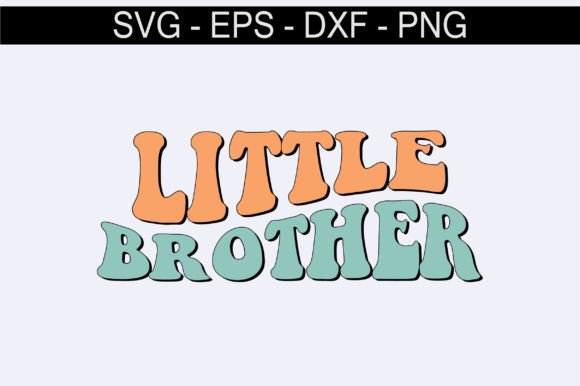
My first impression of this design was immediate nostalgia. The retro aesthetic creates a warm, friendly mood that feels perfectly suited for modern handmade goods. It isn't just a generic graphic; it has a specific visual personality that suggests family bonds, childhood memories, and vintage charm. For an embroidery designer, the initial layout is crucial because it dictates how the machine will handle the stitches. This design avoids the common trap of over-complication. The shapes feel substantial enough to hold their form without becoming a blob of thread, which is a massive win for anyone planning to sell finished products.
Real-World Application: From Screen to Stitch
To truly understand the value of Little Brother Retro Svg Design, I imagined it being used in a real-life scenario. Picture a boutique owner preparing a custom collection of baby shower gifts. They need something that feels personal yet professional. This design fits perfectly on a sweatshirt or a soft baby onesie. The retro vibe pairs beautifully with heather gray or muted pastel fabrics, creating a product that customers would be proud to gift.
However, the application goes beyond just baby items. I see this working exceptionally well as a patch on a denim jacket or embroidered onto a canvas tote bag for a craft fair. The design's clean lines allow it to stand out even when placed on textured fabrics like corduroy or heavy cotton. If you are an Etsy seller looking to expand your inventory, this design offers high versatility. It can be adapted into a holiday gift item, a personalized apron for a kitchen enthusiast, or even a decorative pillow cover for a nursery. The key here is that the design commands attention without overwhelming the garment, maintaining a balance that elevates the perceived value of the final piece.
Performance in Embroidery Situations
When we talk about practical use, we must discuss how the design handles different materials and machines. As a professional reviewer, I always test designs on various fabric types before declaring them "ready for production." Little Brother Retro Svg Design performs reliably on standard home embroidery machines, provided the user understands the basics of stabilization.
In custom apparel scenarios, such as t-shirts and sweatshirts, the design holds up well. The retro style relies heavily on clear outlines and solid fills, which means it responds well to satin stitch and fill stitch techniques. On a tote bag design, the durability is a major plus. Tote bags take a beating, so a design that doesn't unravel after a few washes is essential. Similarly, for caps and hats, the curvature of the surface requires careful placement. While this design works on curved surfaces, the user must ensure the hoop size is appropriate to avoid distortion.
For commercial embroidery projects, consistency is king. If you are running a small shop product line, you need every unit to look identical. This design supports that goal by offering distinct elements that can be reproduced accurately across multiple batches. Whether you are making printable mockups for your online store or creating actual finished products, the clarity of the file ensures that your brand looks professional. Customers trust brands that pay attention to detail, and a crisp, well-stitched design builds that trust instantly.
Navigating Potential Pitfalls
No design is perfect for every situation, and honesty is the most important trait of a good review. There are specific areas where Little Brother Retro Svg Design requires caution. Small hoop sizes can be tricky. If the design contains intricate details that are too close together, they might merge during stitching if the hoop is too tight or the fabric too thin. I recommend testing the design on scrap fabric first to see how the stitch density interacts with your specific needle and thread setup.
Textured fabrics present another challenge. While the design looks great on smooth cotton, applying it to a thick fleece or a highly textured knit might cause the stitches to sink or lose definition. Thin fabrics, especially stretchy ones like jersey, require a stabilizer that matches the weight of the material to prevent puckering. If you are using dark fabric, you must carefully select your thread colors. A light retro palette might get lost against a black background unless you use a high-quality underlay or a contrasting outline.
Dense stitch areas are also worth noting. If the design includes large blocks of fill stitch, you need to ensure your machine can handle the thickness without breaking needles or causing the fabric to bunch. Detailed corners and tiny lettering should be inspected closely. Sometimes, what looks sharp on a computer screen becomes blurry once stitched. Always check whether the design works for both personal and commercial projects by reviewing the license terms included in your download. Confirming these details before you start stitching saves time and prevents costly mistakes.
Design Notes for the Professional Maker
As an experienced designer, I have compiled a checklist for anyone planning to use this file in their workflow. First, always review the stitch density. High density can lead to thread breaks, while low density might leave gaps in the image. Second, inspect small details. Ensure that the curves and angles are smooth and that there are no jagged edges in the vector data.
Third, test it in black and white mockups. This helps you visualize the contrast levels before you commit to expensive thread colors. Fourth, compare light and dark fabric backgrounds to see how the design adapts. Fifth, use proper stabilizer. The right stabilizer is the backbone of any successful embroidery project, especially for items that need frequent washing. Finally, confirm licensing before selling finished items or digital products. This protects your business and ensures you are operating ethically within the Graphics market.
The inclusion of SVG, EPS, DXF, and PNG formats in the download adds significant value. These formats allow you to scale the design for anything from a tiny embroidered patch to a large wall hanging. You can easily switch between an applique design approach or a standard satin stitch finish depending on your creative vision. For those who create digital embroidery files themselves, having the source vectors allows for further customization.
In conclusion, Little Brother Retro Svg Design is a strong addition to any crafter's library. It strikes a balance between nostalgic charm and modern usability. Whether you are a hobbyist making a personalized gift for a sibling or a serious entrepreneur building a brand around handmade goods, this design offers the reliability and aesthetic appeal needed to succeed. By following practical testing protocols and understanding the limitations of fabric and machinery, you can turn this digital asset into a stunning finished product that customers will love.
Remember, the success of your embroidery project often comes down to preparation. Take the time to evaluate the design, check your equipment, and plan your stitch sequence. With the right approach, Little Brother Retro Svg Design can become a staple in your catalog, helping you deliver high-quality, memorable items that stand out in a crowded marketplace.