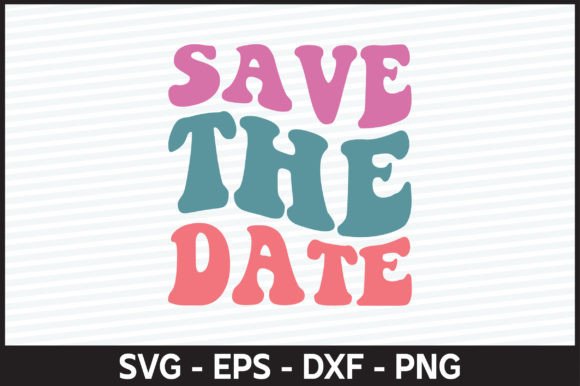
Save the Date Retro Svg Design Review
When I first opened the folder for Save the Date Retro Svg Design, my immediate thought wasn't about the file formats included—SVG, EPS, DXF, and PNG—but rather the specific vibe this piece brings to a sewing machine. As someone who has spent years evaluating digital assets for both personal hobby projects and commercial boutique lines, I look for more than just clean vector paths. I need to know if a design holds up under the needle, how it translates from a screen to fabric, and whether it adds genuine value to a handmade product.
The mood of this design is unmistakably nostalgic. It taps into that mid-century modern aesthetic with a playful twist, perfect for couples planning their nuptials or anyone looking to add a touch of vintage charm to their craft business inventory. The layout feels balanced, suggesting it was created with actual stitching in mind rather than just as a flat graphic. Before we dive into the technical execution, let's talk about where this embroidery project naturally fits in the real world.
Real-World Application: From Screen to Stitch
I recently tested this asset on a custom embroidered tote bag intended for a wedding shower gift. The goal was to create something that felt timeless yet modern, avoiding the overly cutesy fonts that often plague machine embroidery design files. The Save the Date Retro Svg Design delivered exactly what I needed. The curves of the retro typography flowed beautifully across the canvas, and the spacing allowed for proper thread coverage without creating a dense, heavy mass of stitches.
For small business owners and Etsy sellers, this is a crucial distinction. A design that looks great in a printable mockup can sometimes fail miserably when converted to thread. In this case, the visual personality of the design remained intact after digitization. It works exceptionally well on custom apparel like sweatshirts and t-shirts, but its versatility extends far beyond clothing. Imagine this design stitched onto a baby onesie for a gender-neutral reveal party, or perhaps centered on a linen tea towel for a bridal registry item. The retro theme lends itself perfectly to holiday embroidery projects, anniversary gifts, or even branding for a small shop selling vintage-inspired goods.
The inclusion of multiple formats like SVG and DXF is a huge plus for flexibility. If you are an Etsy seller offering personalized products, having the ability to adjust the size and shape before sending it to your machine saves hours of rework. Whether you are making embroidered patches for jackets or creating unique kitchen towel designs, this file adapts to the needs of the craft business without losing its core identity.
Navigating Technical Challenges
However, every designer knows that beauty alone doesn't guarantee success. There are specific scenarios where using Save the Date Retro Svg Design requires careful consideration. For instance, if you are working with a very small hoop size, such as those used for hats or cap panels, you must scrutinize the lettering closely. While the font is legible, extremely small iterations might result in tiny details getting lost in the fabric weave or merging together during the stitching process.
Textured fabrics also present a challenge. On a rough burlap or a thick corduroy, the fine lines of the retro style might not register as sharply as they do on smooth cotton or denim. When dealing with stretchy fabric like jersey knits, the density of the fill stitches could cause puckering if not supported correctly. This is where understanding your stabilizer becomes non-negotiable. You cannot simply run this design on a flimsy knit without a cut-away stabilizer, or the finished product will look warped and unprofessional.
Dense stitch areas are another factor to monitor. If the original design includes heavy shading or intricate decorative accents, converting them to satin stitch or fill stitch can create a stiff texture. For a finished product that needs to be soft against the skin, like a baby item, you might need to reduce the stitch density slightly during the editing phase. Additionally, if you are working with dark fabric, ensure that the thread colors chosen provide enough contrast. A light-colored retro script on a black background can sometimes suffer from visibility issues depending on the thread weight used.
Visual Appeal and Customer Trust
The way a design stitches directly impacts customer trust. In the world of handmade goods, buyers expect a level of polish that reflects the care put into the creation. A sloppy execution of graphic elements can make a high-quality garment look cheap. Conversely, a well-executed embroidery file elevates the perceived value of the item instantly.
This particular design offers strong brand consistency. Its distinct retro style allows it to stand out in a sea of generic floral patterns or simple text-only monograms. For commercial embroidery projects, this uniqueness is a selling point. Customers are drawn to designs that tell a story, and the "retro" theme evokes feelings of warmth and tradition. When you present a personalized gift with this level of detail, the recipient is more likely to appreciate the effort and craftsmanship involved.
Furthermore, the design's clarity ensures that it remains recognizable even when scaled down for smaller items like pillow covers or apron pockets. This scalability is vital for entrepreneurs who want to offer a cohesive line of products without needing to purchase entirely new designs for every SKU. It supports a streamlined workflow, allowing you to focus on marketing and customer service rather than constantly hunting for new assets.
Practical Notes for the Designer
Before you commit this design to a production run, there are a few essential steps to take. First and foremost, always test the design on scrap fabric that matches your final material. This helps you gauge how the thread colors interact with the fabric texture and whether the hoop size is appropriate for the dimensions of the artwork.
Review the stitch density carefully. If the file comes with default settings that seem too heavy, consider adjusting them to prevent bulkiness. Check the small details, especially the corners of letters and any decorative flourishes, to ensure they won't snag or break during washing. It is also wise to inspect the design in black and white mockups; this strips away color distractions and reveals the true structure of the embroidery path.
If you plan to use this for apparel decoration or sell finished items, confirm the licensing terms immediately. Not all digital embroidery files come with commercial rights, and violating these terms can lead to serious legal issues for your small shop product line. Ensure you have the necessary permissions to sell items made with the Save the Date Retro Svg Design.
Finally, pay attention to the choice of stabilizer. For delicate fabrics, a tear-away might suffice, but for durable goods like tote bags or sweatshirt embroidery, a cut-away or fusible webbing provides the stability needed to maintain the design's shape over time. By taking these precautions, you ensure that the final product looks as professional as the initial preview.
In conclusion, Save the Date Retro Svg Design is a versatile and aesthetically pleasing addition to any crafter's library. It bridges the gap between digital art and tactile craftsmanship effectively, provided the user respects the technical nuances of machine embroidery. Whether you are creating a one-off gift or building a robust catalog for your online store, this design offers a reliable foundation for creating memorable, high-quality items.