Yourself Retro SVG: A Designer's Real-World Review
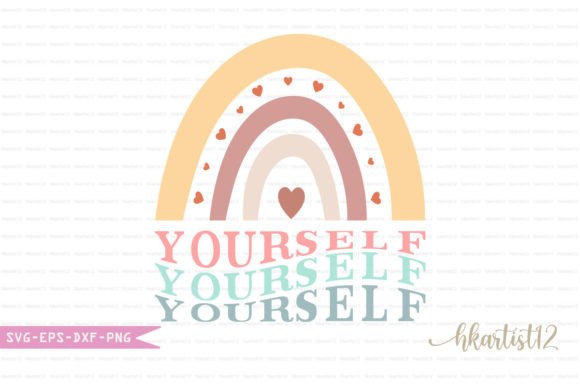
When I first opened the Yourself Retro SVG file, I didn't just see a graphic; I saw a mood. As someone who has spent years stitching designs onto everything from heavy-duty denim to delicate baby onesies, my initial reaction is always about texture and intent. This boho motivational piece feels like it belongs in a sun-drenched studio or a cozy boutique, radiating a sense of calm confidence that is hard to replicate with generic clipart. It isn't just another image for a t-shirt; it is a statement piece designed to inspire.
The retro aesthetic brings a nostalgic warmth that pairs perfectly with modern crafting trends. The typography has that distinct, slightly weathered personality that suggests authenticity rather than mass production. For an embroidery designer, this is crucial because stitched text needs to breathe. If the lettering is too tight or the spacing too rigid, the design loses its charm under the needle. Yourself Retro SVG strikes a balance that feels both vintage and fresh, making it an excellent candidate for handmade products where the human touch is the primary selling point.
From Screen to Stitch: The Real-Life Scenario
Last week, I decided to test Yourself Retro SVG on a real project rather than just looking at it on a screen. I was preparing a custom embroidered tote bag for a client who runs a small local bakery. She wanted something unique for her staff uniforms and holiday gifts, but she needed a design that wouldn't look stiff or overly corporate. The "boho motivational" vibe of this design was exactly what she was asking for.
I loaded the design into my machine software and immediately started thinking about the fabric choice. Tote bags are often made of canvas or cotton duck, which can be thick and textured. When I previewed how the design would translate, I realized that the clean lines of the retro font would stand out beautifully against the natural weave of the canvas. However, I had to consider the stitch density carefully. If I over-stitched the fill areas, the fabric might pucker, ruining the professional look of the finished product.
The result was a stunning tote bag that felt personal and artisanal. The customers at the craft fair loved it because it looked like a genuine piece of art, not a factory print. They commented on the "vibe" of the quote, which is exactly what Yourself Retro SVG delivers. It transforms a simple utility item into a conversation starter. This scenario highlights why this design asset is so valuable for Etsy sellers and small shop owners looking to elevate their brand consistency.
Where This Design Shines in Embroidery Projects
The versatility of this graphics category lies in its ability to adapt to various mediums without losing its core identity. While it is marketed as a digital file for printing, its true potential shines when converted into a machine embroidery design. Here is where I believe it performs best:
- Custom Apparel: Whether it is a sweatshirt embroidery project or a lightweight t-shirt, the design adds a layer of sophistication. The retro style works particularly well on heather gray or soft pastel fabrics, creating a subtle yet impactful look.
- Baby Items: There is something heartwarming about seeing motivational quotes on baby clothes. The gentle curves of the design make it perfect for a nursery pillow cover or a personalized gift for a new parent. It avoids the harshness of blocky fonts, ensuring the finished product remains soft and comforting.
- Holiday Gifts: During the holiday season, buyers are looking for items that feel special. Using Yourself Retro SVG for holiday embroidery on kitchen towels or aprons creates a memorable keepsake. The design fits the "cozy home" aesthetic that dominates winter crafting seasons.
- Small Business Merchandise: For creative entrepreneurs selling branded goods, this design offers a way to build recognition. It serves as a strong visual anchor for a boutique branding strategy, appearing consistently across different products like patches, stickers, and tote bag designs.
The layout of the design allows for creative freedom. You can use it as a standalone centerpiece on a large hoop size or break it down for smaller accents. For instance, you could embroider the main quote on the back of a cap while placing a smaller element on the front pocket. This flexibility is essential for designers who need to maximize their output without sacrificing quality.
Practical Considerations and Potential Pitfalls
While the design is visually appealing, every experienced crafter knows that beauty doesn't always guarantee ease of execution. There are specific situations where Yourself Retro SVG requires careful handling to ensure a successful outcome. It is not a one-size-fits-all solution for every fabric type.
If you are working with small hoop sizes, such as those used for socks or small baby garments, you must scrutinize the detail level. Tiny lettering or intricate decorative accents can get lost in the stitching process if the resolution isn't high enough. On thin or stretchy fabrics, the tension of the thread can distort the shape of the letters, leading to a warped appearance. In these cases, using a proper stabilizer is non-negotiable to maintain the structural integrity of the design.
Dark fabrics present another challenge. If the design relies on light threads to create contrast, you may need to add a backing layer or adjust the thread colors to ensure the message remains legible. Similarly, textured fabrics like fleece or bouclé can hide the fine details of the satin stitch, making the design appear muddy rather than crisp. Before committing to a full run of commercial embroidery projects, I strongly advise testing the design on scrap fabric first.
Another area to watch is the curvature of the surface. Embroidering on curved surfaces like caps or rounded tumblers can stretch the design unevenly. While the retro style is forgiving, extreme distortion will ruin the visual appeal. Always check whether the design works for both personal and commercial projects by reviewing the specific file requirements and licensing terms provided by the creator.
Design Notes for the Professional Maker
To get the most out of this graphics asset, treat it as a foundational element of your workflow rather than a quick fix. Here are some practical tips based on my experience:
- Test Thread Color Contrast: Don't assume standard white thread will work. Compare light and dark fabric backgrounds to see how the colors interact. Sometimes a contrasting thread color can enhance the retro feel, while others might blend in too much.
- Review Stitch Density: High stitch density can cause puckering on lightweight materials. Adjust the settings in your software to ensure the fill stitch covers the area evenly without overwhelming the fabric texture.
- Inspect Small Details: Zoom in on the design before stitching. Look for any tiny corners or sharp angles that might snag or break during the process. If necessary, simplify the path slightly to improve durability.
- Confirm Hoop Size: Ensure your hoop size matches the dimensions of the design. A design that is too large for the hoop will require re-hooping, which can misalign the stitches and ruin the final product.
- Check Licensing: If you plan to sell finished items, confirm the license terms. Some files allow for unlimited commercial use, while others restrict the number of units you can produce. Always verify this before listing your small shop product on platforms like Etsy.
Ultimately, Yourself Retro SVG is more than just a vector file; it is a tool for building trust with your customers. When a buyer sees a well-executed, thoughtfully designed piece of embroidery, they perceive higher value in the handmade product. The design supports a narrative of care and intention, which is vital for standing out in a crowded market.
Whether you are creating a personalized gift for a friend or developing a line of boutique branding items, this design offers a solid foundation. It invites creativity while providing the structure needed for professional results. By understanding its strengths and limitations, you can transform a simple digital asset into a tangible masterpiece that resonates with your audience.