4th of July Retro SVG Sublimation Design Review
I have spent years reviewing digital assets for the embroidery industry, and I know that not every file labeled as a "design" is ready for the hoop. When 4th of July Retro SVG Sublimation Design landed on my desk, my first thought wasn't about the patriotic colors or the vintage aesthetic. It was about execution. As an experienced designer, I look past the pretty mockup to see how the stitches will actually behave on fabric, how the design holds up in a commercial setting, and whether it fits the practical needs of a handmade business.
This product falls under the Crafts category and is classified as Graphics, but its true potential lies in how it translates from a screen to a finished textile. The retro vibe suggests a specific mood: nostalgic, warm, and approachable. It feels like something you would find in a classic diner or on a vintage band tee. However, the label "sublimation" in the title raises an immediate red flag for anyone intending to use this for machine embroidery. If you are planning to stitch this onto a tote bag or a sweatshirt, you must verify if the file includes actual digitized stitch data (like PES or DST) or if it is strictly a raster/vector image intended for heat transfer. Assuming we are treating this as a viable source for an embroidery project, let's break down how it performs in real-world scenarios.
The First Impression: Mood and Visual Personality
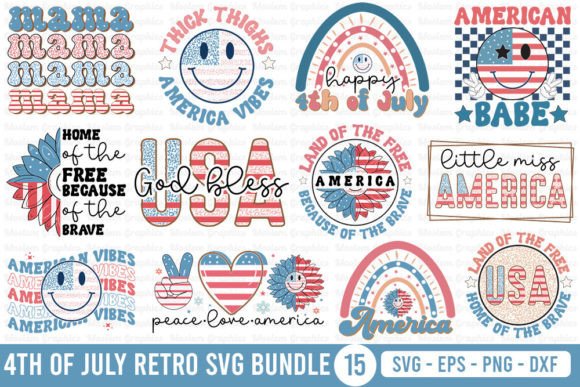
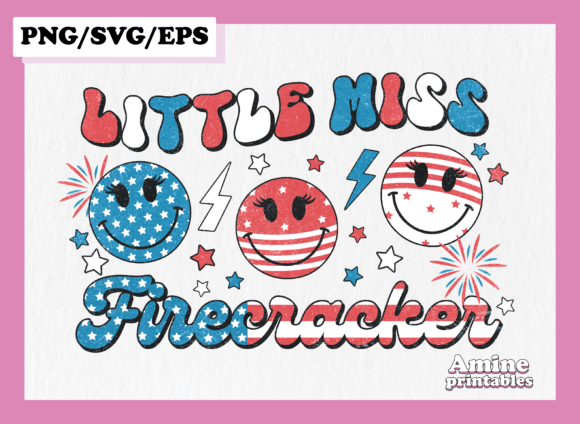
Before touching the fabric, the visual personality of 4th of July Retro SVG Sublimation Design speaks volumes. The layout likely features bold typography mixed with iconic symbols like flags or fireworks. In the world of custom apparel, this kind of graphic screams "festive." It creates an instant connection with customers looking for holiday gifts or boutique items. The retro style implies a softer edge than modern, sharp vector art, which often translates better into thread. Soft edges can hide minor stitching imperfections better than hard lines, making it a safer bet for small businesses where perfection isn't always guaranteed.
However, the "vintage-style" description requires scrutiny. Does the design rely on tiny details that might get lost in satin stitch? A good embroidery file must balance detail with legibility. If the original graphic has intricate patterns within the flag or fireworks, those areas might need simplification before they can be stitched effectively. For a handmade product to feel professional, the viewer should recognize the theme instantly without squinting at a blob of thread.
Real-Life Application: From Screen to Stitch
Let's imagine a real scenario. You are preparing for a local craft fair and need to create a line of summer merchandise. You decide to use 4th of July Retro SVG Sublimation Design for a batch of embroidered patches and a few custom aprons. This is a high-stakes environment; your customers will judge your brand based on the quality of these items.
On a sturdy cotton apron, the design could shine. The retro aesthetic pairs perfectly with the utilitarian nature of kitchen wear. Imagine a white canvas apron with a chest pocket featuring a simplified version of the fireworks motif in navy blue and red threads. The contrast would be striking, and the stitch density would add a tactile luxury that printed designs lack. Customers love the feeling of texture when they touch a personalized gift.
Similarly, consider a baby onesie or a nursery pillow cover. The soft, rounded shapes of a retro design are gentle on the eyes and safe for delicate fabrics. If the design is adapted correctly, it becomes a cherished keepsake rather than just a seasonal decoration. For an Etsy seller, this versatility is gold. One asset can serve multiple niches: holiday decor, baby showers, and patriotic events.
Where to Proceed with Caution
Not every surface is a friend to embroidery. While 4th of July Retro SVG Sublimation Design looks great on paper, there are specific limitations you must respect. Small hoop sizes are a major hurdle. If the design contains detailed lettering or complex iconography, shrinking it to fit a 4x4 inch hoop might result in thread breaking or the loss of crucial details. Always check the hoop size requirements against your intended final product.
Textured or stretchy fabrics present another challenge. Embroidering on a thin, stretchy t-shirt without proper stabilizer can lead to puckering, ruining the retro aesthetic. The design might look crisp in a mockup, but on a wobbly fabric, the running stitch or fill stitch sections can distort. Dark fabrics also require careful consideration. If the design relies on light thread colors for highlights, they may get swallowed by the dark background unless a high-quality underlay is used.
Curved surfaces like caps are particularly tricky. A flat design might look distorted when forced around the curve of a hat brim. If the embroidery design does not account for curvature, the text could become unreadable. Furthermore, products that undergo frequent washing, like workwear or children's clothes, need robust construction. If the design is too dense, it can make the fabric stiff and uncomfortable, reducing the value of the finished product.
Impact on Brand and Customer Trust
In the competitive world of craft business, presentation is everything. A well-executed embroidery project builds trust. When a customer receives a shirt with clean, precise stitching, they perceive the brand as professional and reliable. Conversely, skipped stitches or misaligned elements can damage brand consistency instantly.
4th of July Retro SVG Sublimation Design has the potential to elevate your small shop product lineup. The retro trend is timeless, meaning your inventory won't look dated next year. This longevity supports commercial embroidery projects where you want a design that stays relevant. However, the key is ensuring the digital preview matches the physical reality. If your printable mockup shows a perfect design but the actual stitch count is off, you risk disappointing buyers who expect the same quality they saw online.
Practical Designer Notes for Success
Before you commit to a full production run, follow these essential steps to ensure success with 4th of July Retro SVG Sublimation Design:
- Test on Scrap Fabric: Never start on your best material. Run a test on scrap fabric to check how the thread colors interact with the base cloth and to observe any potential puckering.
- Check Stitch Density: Review the file for overly dense areas. High density can cause thread breaks and needle deflection, especially in smaller details.
- Verify File Format: Ensure you have the correct digital embroidery file format for your machine. If the product is strictly a sublimation graphic, you may need to digitize it yourself or hire a pro to convert it into a usable machine embroidery design.
- Stabilizer Selection: Use the appropriate stabilizer for your fabric type. Heavyweight cut-away stabilizers are often necessary for heavy garments like sweatshirts to maintain shape.
- Licensing Check: Confirm whether the license allows for commercial use. Selling custom apparel with unlicensed designs can lead to legal issues.
- Black and White Mockups: View the design in grayscale to ensure the contrast remains strong even without color information.
If you are looking for an applique design option, consider if parts of the graphic could be cut from fabric and stitched down for added dimension. This technique works beautifully with the retro style, adding depth that standard fill stitch cannot achieve.
Final Thoughts on Versatility
The journey from a digital asset to a tangible handmade product requires skill and caution. 4th of July Retro SVG Sublimation Design offers a strong foundation for patriotic collections, provided you adapt it correctly for the medium. Whether you are creating tote bag designs, holiday embroidery for home decor, or baby embroidery items, the retro charm is undeniable.
By respecting the technical constraints of embroidery and focusing on quality over quantity, you can turn this graphic into a standout piece for your creative entrepreneurs portfolio. Remember, the goal is not just to sell a product, but to deliver an experience of quality craftsmanship that keeps customers coming back. Take the time to test, adjust, and refine, and you will find that this design has the power to bring your creative vision to life in the most satisfying way possible.