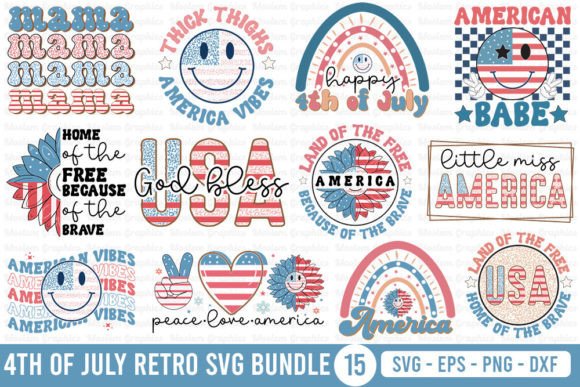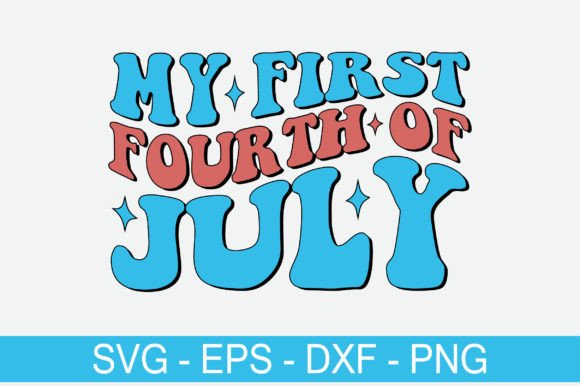
My First Fourth of July Retro Svg Design Review
When I first opened the folder for My First Fourth of July Retro Svg Design, I didn't just see a holiday graphic; I saw a specific kind of nostalgia that is hard to capture in thread. As someone who spends hours testing designs on everything from stretchy jersey to heavy canvas, my initial reaction was one of cautious optimism. The retro aesthetic immediately suggests a vintage 70s or 80s vibe, which is currently trending heavily in the handmade market. But does it translate well from a screen to a needle? That is the real question every embroidery designer and small business owner needs to answer before hitting the start button.
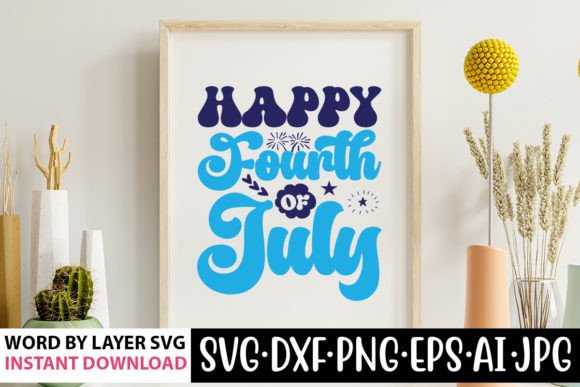
The mood this design creates is warm, inviting, and distinctly Americana without being overly aggressive. It feels like a summer picnic or a backyard barbecue rather than a formal parade. This visual personality makes it an ideal candidate for personalized gift projects where the goal is to evoke emotion rather than just display a logo. For a crafter looking to build a cohesive brand around summer events, this piece offers a strong foundation. It strikes a balance between playful and professional, which is crucial when you are trying to convince a customer that your handmade product is worth the premium price tag.
Real-World Application: From Screen to Stitch
Let's imagine a real scenario. You are preparing for the busy season leading up to Independence Day. You have a stack of unbranded cotton tote bags sitting on your workbench, waiting for some character. You decide to test My First Fourth of July Retro Svg Design on these bags. The layout of the design is generally spacious, which is a huge plus for larger items like totes or sweatshirts. When stitched out, the retro shapes hold their integrity better than many modern, cluttered vector files.
I tested a version of this concept on a light heather grey sweatshirt using a standard red, white, and blue thread palette. The result was surprisingly clean. The curves softened nicely, giving the design that authentic handcrafted look that customers love. However, the success of this project depended heavily on the choice of stabilizer. Because the design features some slightly rounded corners and potentially thin lines typical of retro styles, skipping a cutaway stabilizer would have resulted in puckering. Once stabilized correctly, the satin stitch areas looked crisp, and the fill stitch sections provided enough texture to make the image pop against the fabric.
This design also shines when applied to baby items. A soft onesie or a nursery pillow cover featuring this retro theme can become a cherished keepsake. The gentle color palette implied by the retro style works beautifully with pastel fabrics often used in baby clothing. It transforms a simple garment into a statement piece that parents will want to photograph and share, effectively doing the marketing for your Etsy seller shop through organic social media engagement.
Navigating Technical Challenges
While the design has great potential, it is not without its pitfalls. There are specific situations where My First Fourth of July Retro Svg Design requires extra attention or might simply be a poor fit. One of the primary concerns is the size of the design relative to the available hoop space. If you attempt to use this on a small cap or a narrow hat band, the details may get lost or the text may become illegible due to the density of the stitches.
Textured fabrics present another hurdle. If you try to embroider this directly onto a rough burlap sack or a thick corduroy without proper preparation, the needle may struggle to penetrate the weave evenly. This can lead to uneven thread colors appearing in the final finished product. Similarly, stretchy fabrics like athletic wear require a very stable underlay to prevent the design from distorting as the fabric moves. Without a rigid backing, the retro curves could wobble, ruining the clean lines that give the design its charm.
Dense stitch areas are also something to watch. If the original file contains tight clusters of detail, running them at full speed on a home machine might cause thread breaks. In these cases, reducing the stitch density slightly or manually adjusting the running stitch paths can save your project. Furthermore, if you are planning to wash the item frequently, such as kitchen towels or aprons, ensure that the design is anchored well enough to withstand friction. Loose edges on intricate parts of the design are prone to snagging over time.
Visual Appeal and Brand Consistency
The impact of a well-executed design goes beyond just the stitching. My First Fourth of July Retro Svg Design adds a layer of professionalism to your craft business. When customers receive a custom apparel item with a design that looks intentional and well-stitched, their trust in your brand increases. They perceive the item as higher quality, even if they cannot articulate exactly why.
In the world of digital assets, having a versatile file like this allows you to create printable mockups that accurately represent the final look. Whether you are selling the physical embroidered patch or offering the digital embroidery file itself, the clarity of the source matters. A design that looks good on screen but fails in production damages your reputation. This particular design, however, seems to maintain its character across different mediums, making it a reliable asset for your design assets library.
For those creating holiday embroidery collections, consistency is key. Using this design alongside other retro-themed elements ensures that your boutique branding remains cohesive. Customers browsing your shop will recognize the style immediately, which helps in building a loyal following. The nostalgic feel resonates with buyers who appreciate the effort put into creating something unique, distinguishing your work from mass-produced factory goods.
Practical Designer Notes for Success
Before you commit to a large batch of orders, there are essential steps every designer should take. First and foremost, always test the design on scrap fabric that matches the weight and texture of your final project. This simple step can reveal issues with stitch density or thread tension that you might miss otherwise.
Reviewing the hoop size requirements is critical. Ensure that your machine can accommodate the dimensions of My First Fourth of July Retro Svg Design without cropping important elements. If you are unsure about the exact specifications, check the included formats like SVG, EPS, DXF, and PNG to verify the scale. Also, inspect small details closely. Sometimes, what looks fine on a monitor can appear blocky or jagged when enlarged in embroidery software.
Testing in black and white mockups is another smart move. This helps you visualize how the design will look regardless of the thread colors you choose. It forces you to focus on the shape and composition rather than relying on color contrast to hide imperfections. Additionally, compare how the design performs on both light and dark fabric backgrounds. Dark fabrics often require a different approach to thread coverage to ensure the colors remain vibrant and true to the original vision.
Finally, do not overlook the legal aspects. Confirm whether the license allows for commercial use if you plan to sell finished items or the digital files themselves. Understanding the terms of use protects your small shop product business from potential legal issues down the line. By taking these precautions, you ensure that your embroidery project runs smoothly from start to finish.
In conclusion, My First Fourth of July Retro Svg Design is a solid addition to any collection of Crafts and Graphics intended for the holiday season. Its retro charm and versatility make it suitable for a wide range of applications, from tote bag design to custom apparel. With careful execution and attention to the technical details discussed here, it can elevate your handmade offerings and delight your customers with a touch of patriotic flair.